As the digital landscape continues to evolve, companies must be focused on increasing customer lifetime value (CLV) by looking at the entire customer lifecycle to identify the opportunities that Marketing Automation (MA) offers.
No one, especially eCommerce managers, needs to be explained what Black Friday or Cyber Monday are, collectively often referred to as Black Week. However, it is worth clarifying a few issues related to it to avoid unnecessary stress and waste of valuable marketing resources.
There are two key characteristics that make the e-commerce industry so interesting and exciting: high growth rates and constant changes. The most interesting part is that the pace is not going to slow down.
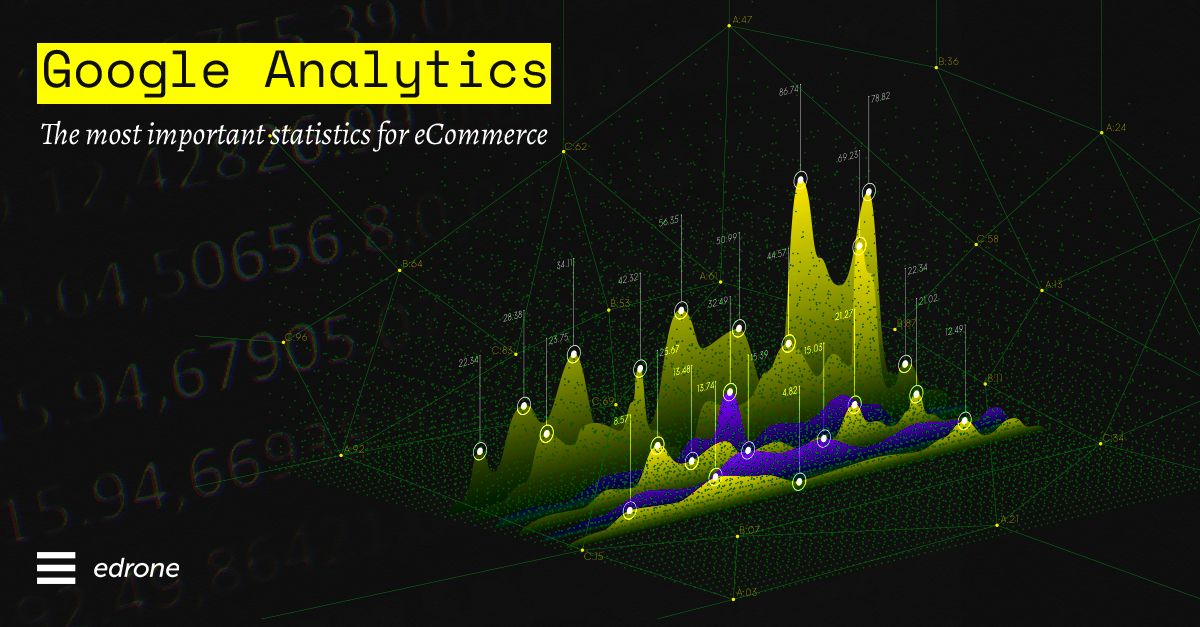
“Data is the new oil” is a thesis put forward by The Economist and it is hard to disagree with it. Whoever has the data has power. The problem is that not everyone realizes how powerful a weapon is at their fingertips (i.e. within Google Analytics).
Storytelling is one of the most effective marketing methods and the main challenge for content designers. The leading advertising agencies in the world emphasize the enormous role played by storytelling in the creation of brand image.
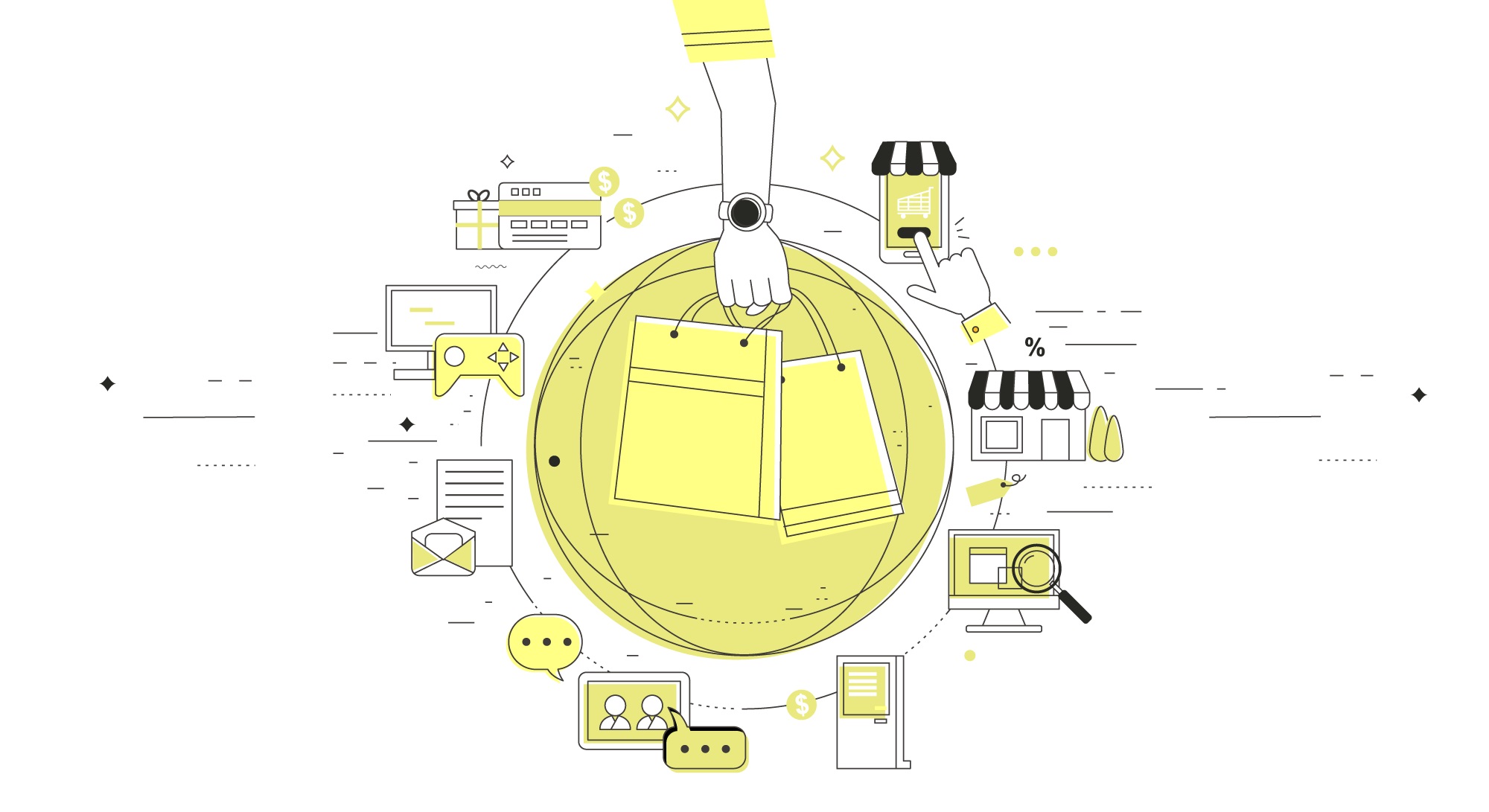
Shopping is a pleasure, but it is also a sad obligation. For those tired of rummaging in the store shelves, but also those who are going wild while shopping – omnichannel in trade will be good news; this means combining multiple shopping paths into one and freely switching between them.
Know & grow! Become one of over 1,000 online stores growing with our expertise.
If you were to ask randomly encountered people what is a pop up, the most common response (of course other than „Pop up? Never heard of it”) would be: „It’s an annoying popping up window”. Exactly.
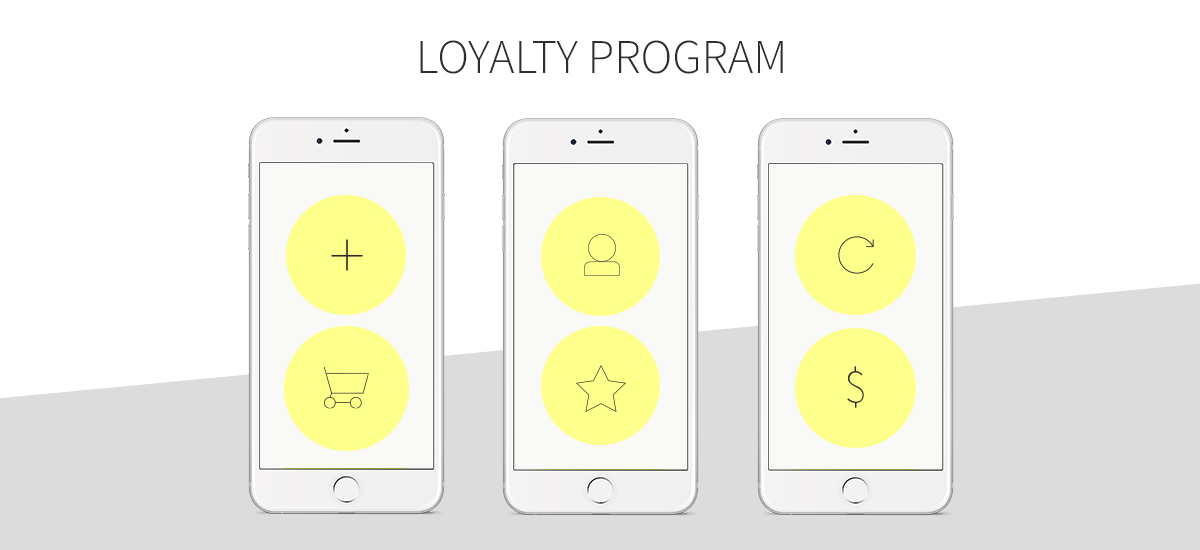
What is the most effective way to retain clients of an online store? To create such a loyalty program that will engage them and encourage to make further purchases. In this article we will explain what is the role of an effective loyalty program and why should you think about one now.
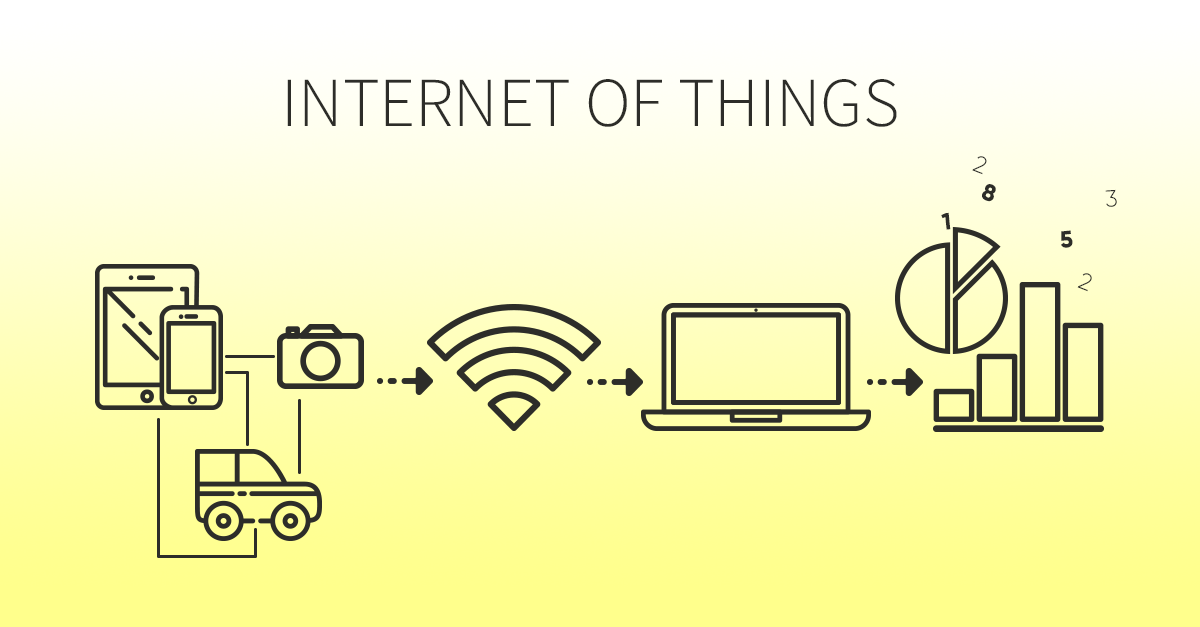
The Internet of Things (abbr. IoT) includes in a broad sense all devices which are monitored and controlled by the Internet. In contrary to what the name Internet of the Things suggests, it is not the Internet of things, yet of data. Sounds mysterious?
Imagine that you don’t have to filter the content or the products that interest you every time you visit the website of your favorite store, but that instead a personalized site is automatically displayed. The ENTIRE SITE, and not just single product recommendations. Sounds good, right?
Unless you have spent the last decade in an Amazon jungle, or a Himalayan settlement cut off from the outside world, you have probably heard of artificial intelligence.